2000–1500 BCThe first people of Guam
The first settlers probably arrived from Southeast Asia and made their homes along the coast. Over time, they developed a shared language and culture, giving rise to the CHamoru people.

The missing link that kept the first global trade route in history running.

Destination 01. Mariana Islands
In a remote Pacific archipelago lies a small island whose strategic location gave it a key role in one of history’s most important trade routes: the Manila Galleon.
For 250 years, this route connected the Far East with the New World. Together with the Carrera de Indias, which linked the Americas and Europe, it formed the first global trade network.
On the dangerous voyage from Acapulco to Manila, Guam became an essential stop for Spanish galleons. This helped shape a culture that blended the traditions of the Chamorro people, the island’s indigenous inhabitants, with the Hispanic world.
Their LEGACY lives on in language and customs… and, thanks to technology, now in architecture too.
Destination 01. Mariana Islands
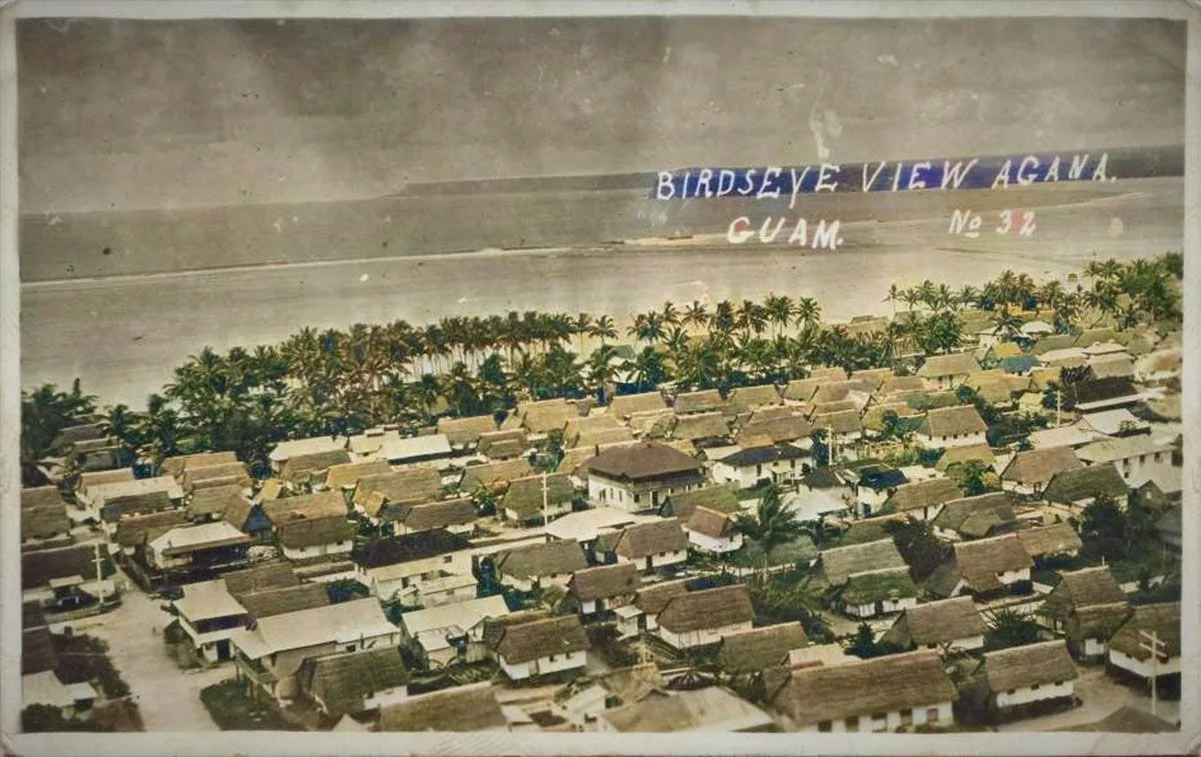
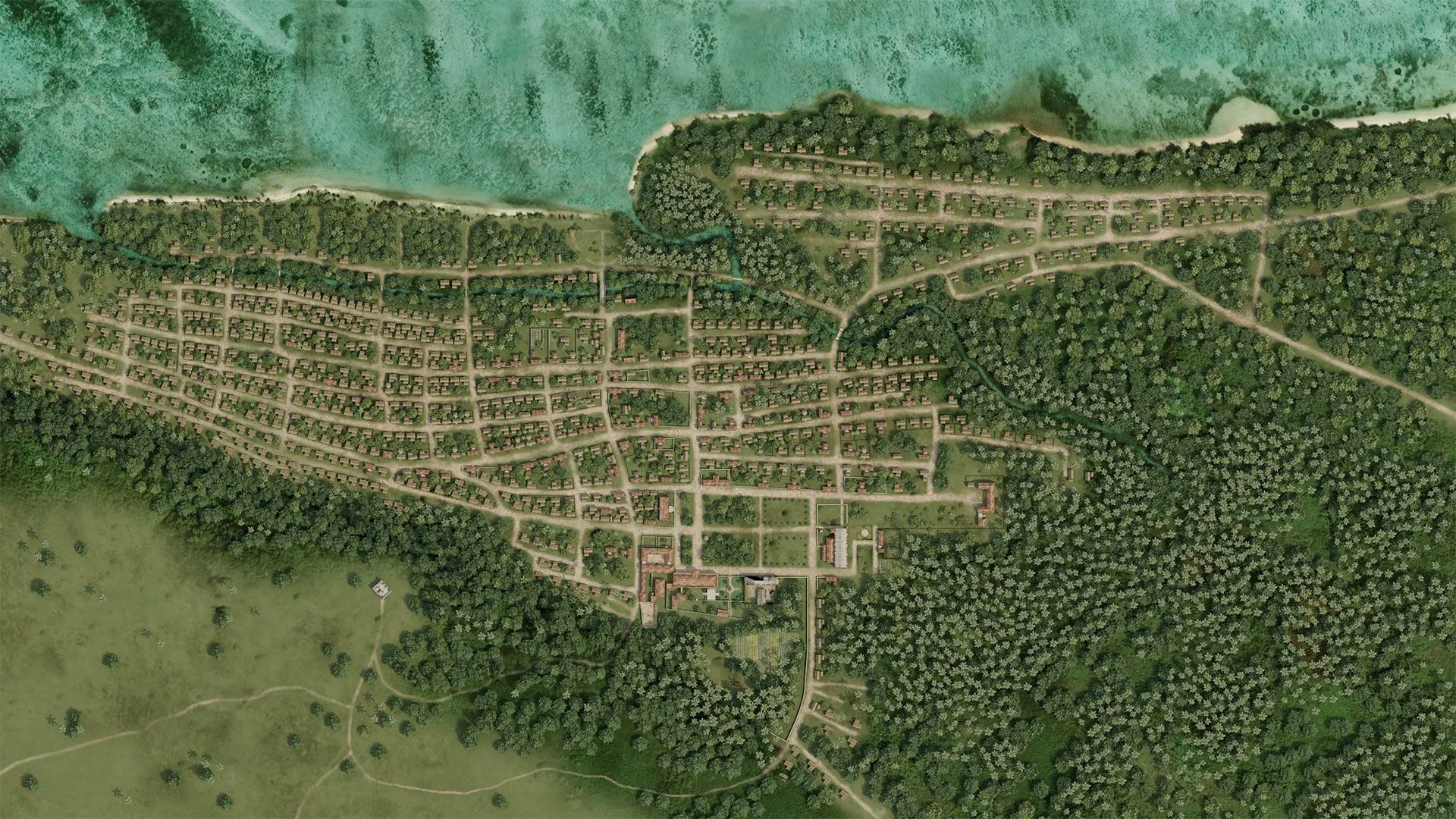
Capital of the Mariana Islands until 1898 and the oldest European city in the Pacific, Agaña was founded as San Ignacio de Agaña by the first missionaries to reach the island. Over time, it grew to become home to a large share of the island’s population.
As the capital, it had many prominent buildings, including the College of San Juan de Letrán, the Royal Storehouse and, most importantly, the Governor’s Palace.
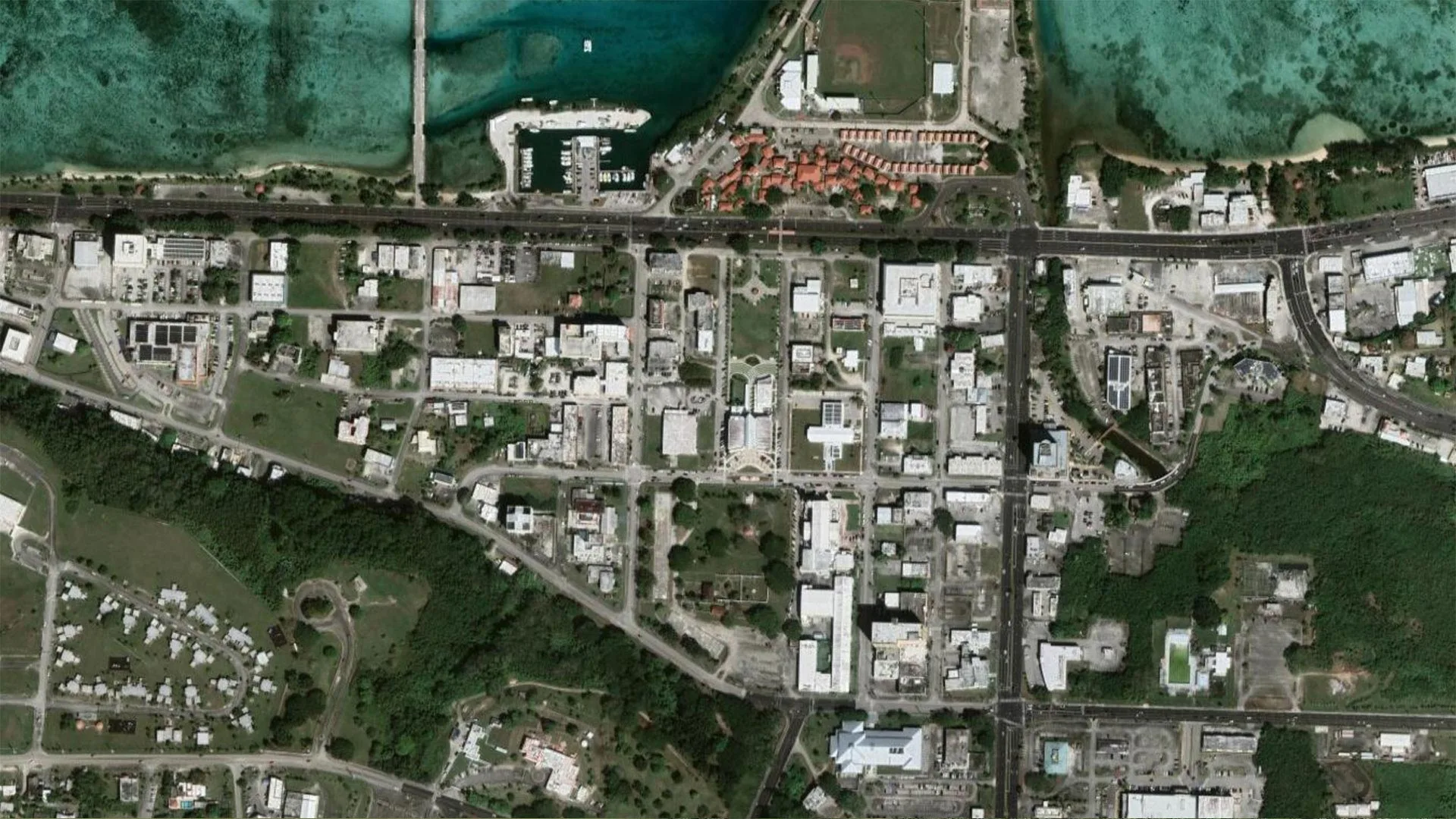
This vast architectural heritage was lost during the bombing of the Second World War. Now, for the first time in over a century, we can see these buildings as they were in their heyday in the late nineteenth century.
Destination 01. Mariana Islands
Scroll through the timeline to explore the key events in Guam’s history.
The first settlers probably arrived from Southeast Asia and made their homes along the coast. Over time, they developed a shared language and culture, giving rise to the CHamoru people.
CHamoru villages were built around houses raised on latte stones. Fishing, farming and craftwork sustained life on the island.
The expedition marked the first European contact with the Mariana Islands. After a brief encounter with the CHamoru people, Magellan claimed the islands for Spain and continued towards the Moluccas.
Miguel López de Legazpi claimed Guam and the Mariana Islands for the Spanish Crown during his expedition to the Philippines.
Andrés de Urdaneta completed the return route from the Philippines to New Spain. Guam became a key stop on the Manila Galleon’s westbound voyage.
Jesuit Diego Luis de San Vitores founded the first Catholic mission in Agaña. Guam was formally established as a stop on the Manila Galleon route.
The arrival of Spanish missionaries was followed by decades of revolts and conflict. CHamoru leaders such as Hurao, Agualin and Yula led the resistance.
Mexico’s independence brought the Acapulco–Manila route to an end. Guam lost its regular connection to the Americas and entered a period of greater isolation.
The two-storey palace served as the governor’s residence and workplace. It remained in use under U.S. rule and was destroyed during the Second World War.
During the Spanish–American War, the Spanish garrison surrendered to Captain Henry Glass. The Treaty of Paris ceded Guam to the United States; the transfer took effect in 1899.
Representatives of Guam’s leading families asked the U.S. Congress to end military rule and guarantee rights for the island’s residents.
After the attack on Pearl Harbor, Japanese forces captured Guam and began an occupation that lasted nearly three years.
U.S. forces landed to retake the island. After weeks of fighting, Guam returned to U.S. control.
The act established a civil government and transferred administration to the Department of the Interior. It also granted U.S. citizenship to Guam’s residents.
The commission set out to inform the public about Guam’s political status options and advance CHamoru self-determination.
Destination 01. Mariana Islands
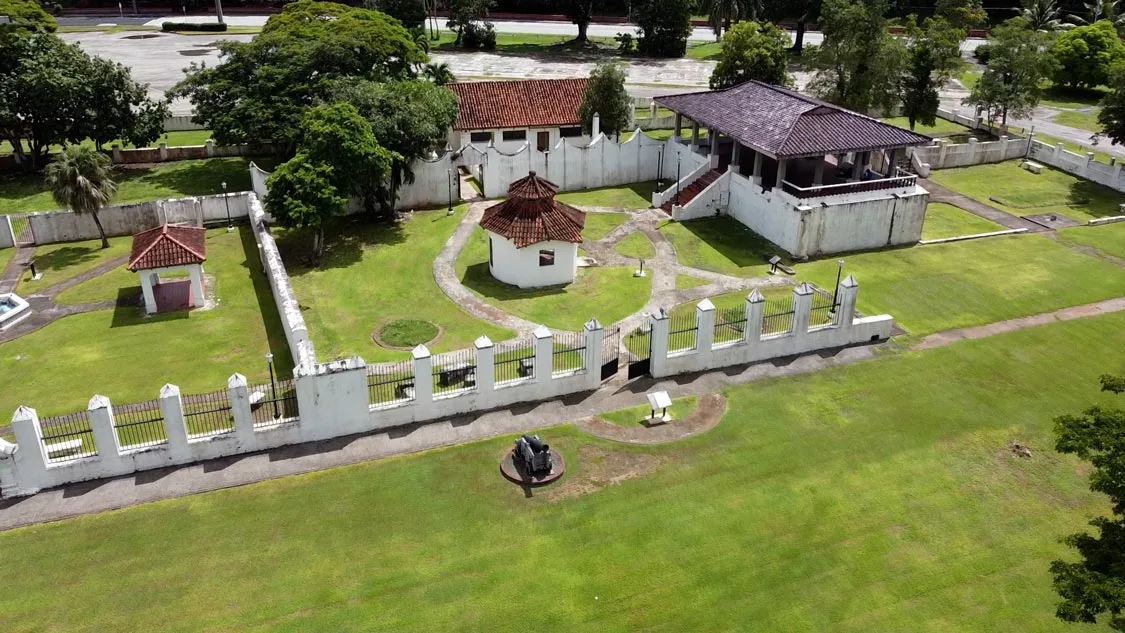
The governor was the highest administrative authority during Guam’s Spanish period. Although the Mariana Islands depended largely on the Philippines, their isolation gave them a degree of autonomy.
Over the centuries of Spanish presence, 59 governors served on the island. You can now visit the palace where they lived during the final years before Guam came under US control.
Destination 01. Mariana Islands
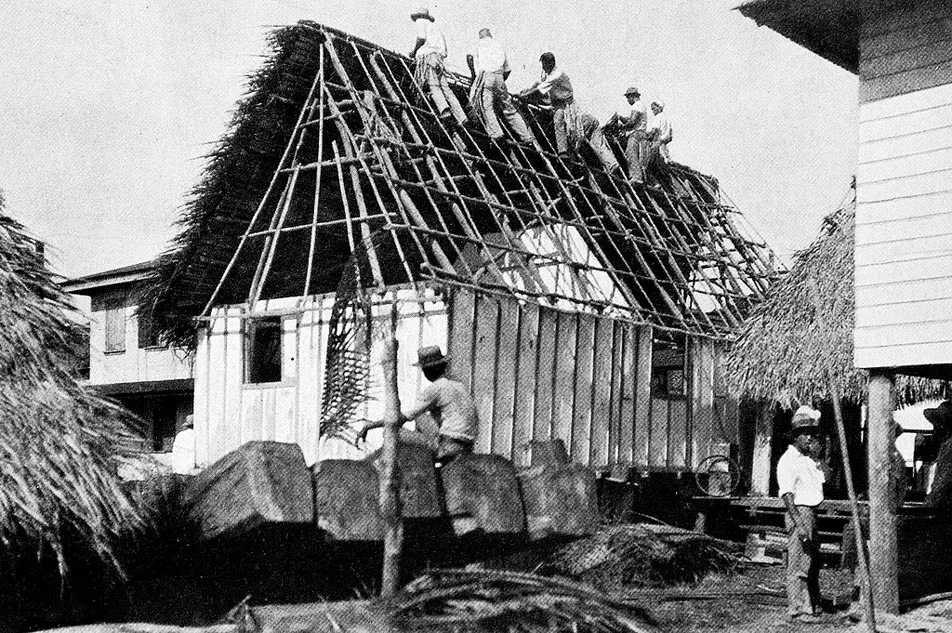
Typical houses in the Mariana Islands fell into two distinct categories.
Wealthier families lived in houses with whitewashed masonry walls and tiled roofs, a building technique introduced from the Iberian Peninsula.
Most people, however, lived in more modest homes built using traditional techniques and local materials: timber and bamboo posts, with thatched roofs made from coconut, nipa or nette leaves.
Destination 01. Mariana Islands
The app also features a virtual museum with some of the period’s most distinctive pieces of furniture.
You can even place them in your own living room with augmented reality!
Explore the Spanish Pacific and discover its history through augmented reality.