July 1, 1898The Siege of Baler begins
As Filipino revolutionary forces advanced, the Spanish detachment took refuge in the village church and strengthened its defences. The siege began on July 1.

The last stronghold where a handful of Spanish soldiers, the ‘Last of the Philippines’, held out through a dramatic siege for almost a year.

Destination 02. Philippine Islands
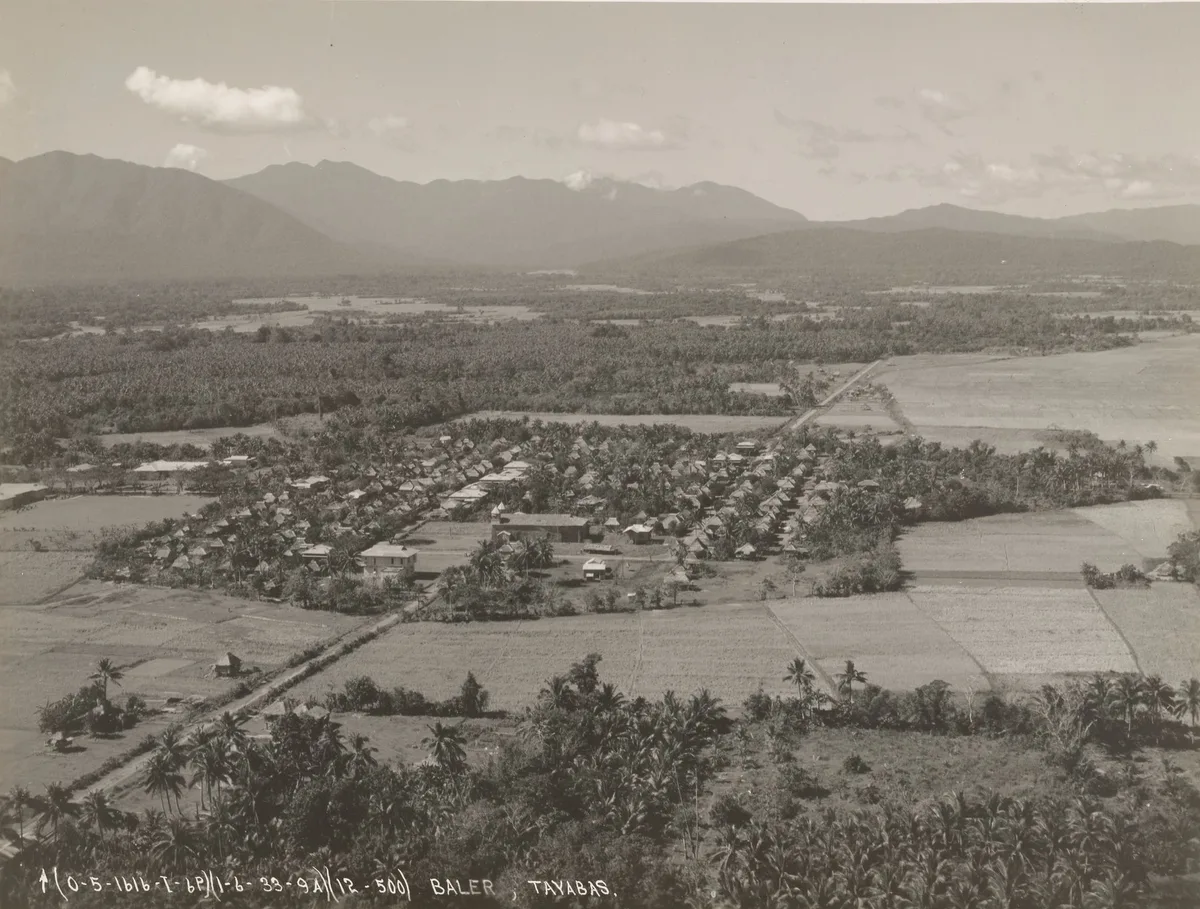
If there is one Philippine town known in Spain beyond Manila, it is undoubtedly Baler. On the island of Luzon, this small town witnessed the final chapter of the more than three centuries during which the archipelago belonged to the Spanish Crown.
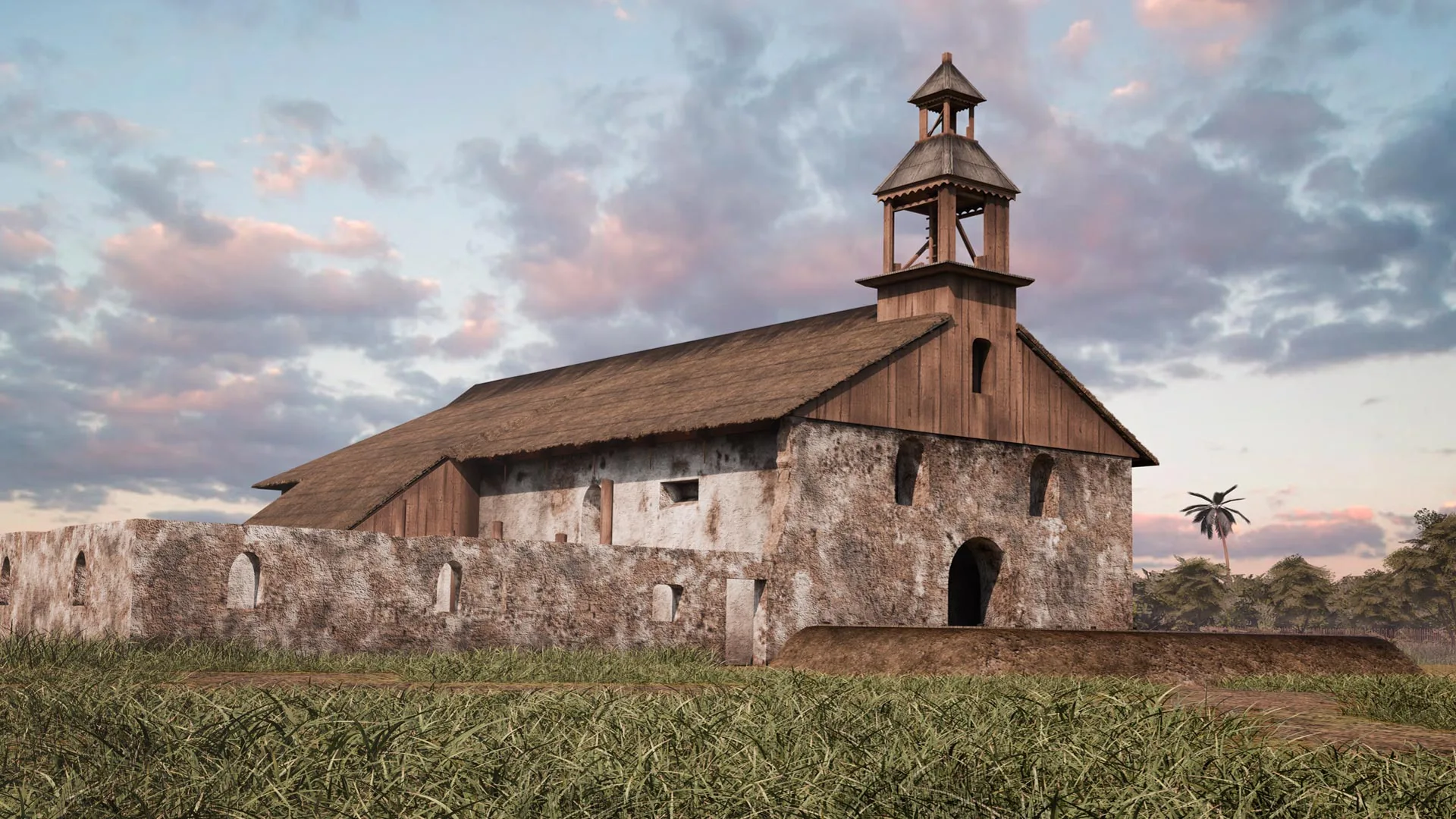
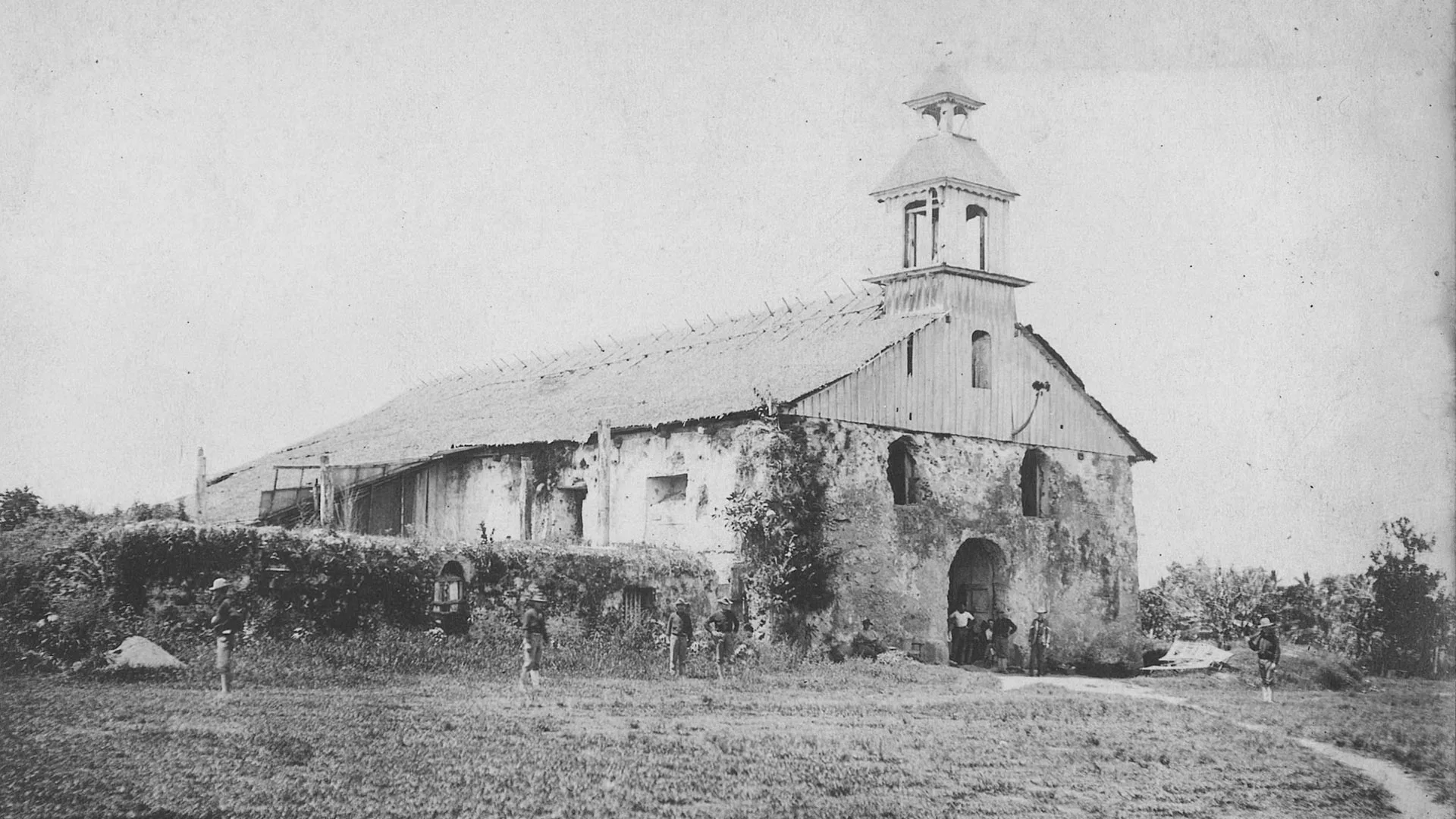
For almost a year, beginning in 1898, a detachment of just over 50 men held out against Philippine forces from inside the town’s church. They refused to believe that the once-powerful Spanish Empire had been defeated and that the islands were no longer part of Spain.
The story of the ‘Last of the Philippines’ has been remembered many times by Filipinos and Spaniards alike, gradually becoming a bond of friendship between the two countries.
Until now, however, there had never been a rigorous reconstruction of its architectural heritage. Through technology and extensive research, we can now travel back in time and visit Baler during the closing months of the nineteenth century.
Destination 02. Philippine Islands
Scroll through the timeline to explore the key events of the Siege of Baler.
As Filipino revolutionary forces advanced, the Spanish detachment took refuge in the village church and strengthened its defences. The siege began on July 1.
The Filipinos offered the besieged soldiers a truce and food. Captain Las Morenas declined; fighting resumed at dusk.
Colonel Calixto Villacorta arrived with reinforcements and gave the defenders 24 hours to surrender. Las Morenas replied that they would resist to the death.
Franciscan friars Juan López Guillén and Félix Minaya arrived to negotiate a surrender. Las Morenas allowed them to stay in the church and assist the soldiers.
Malnutrition caused the first deaths. When letters reported Manila’s surrender, the defenders believed they were fakes and continued to resist.
After Lieutenant Juan Alonso died, Saturnino Martín Cerezo took command. He improved sanitation as attacks continued and more men died.
Beriberi claimed the captain and several soldiers. Martín Cerezo kept defending the church despite hunger and the garrison’s worsening condition.
Ten Spanish soldiers surprised Filipino forces and set nearby houses on fire. The blaze cleared the area around the church.
Villacorta returned and Filipino forces dug new trenches. During Christmas, the defenders received newspapers and further news of the war.
Captain Miguel Olmedo told the besieged soldiers that the war had ended and Spain had ceded the Philippines to the United States. Cerezo suspected a trick.
The U.S. gunboat tried to free the Spanish soldiers. A Filipino ambush stopped the landing and captured several Marines.
Filipino forces failed to take the church. That same day, Lieutenant Colonel Aguilar offered to evacuate the Spaniards, but Cerezo remained wary.
After confirming in a newspaper that the war had ended, Martín Cerezo agreed to surrender. The detachment left the church and set out for Manila on June 7.
Destination 02. Philippine Islands
The app also includes detailed models of Spanish and Filipino soldiers, complete with their uniforms and weapons.
You can even place them in your own living room with augmented reality!
Explore the Spanish Pacific and discover its history through augmented reality.